Is it Possible to Dilute Perfume: With What and How — A Guide from a Perfume Technologist
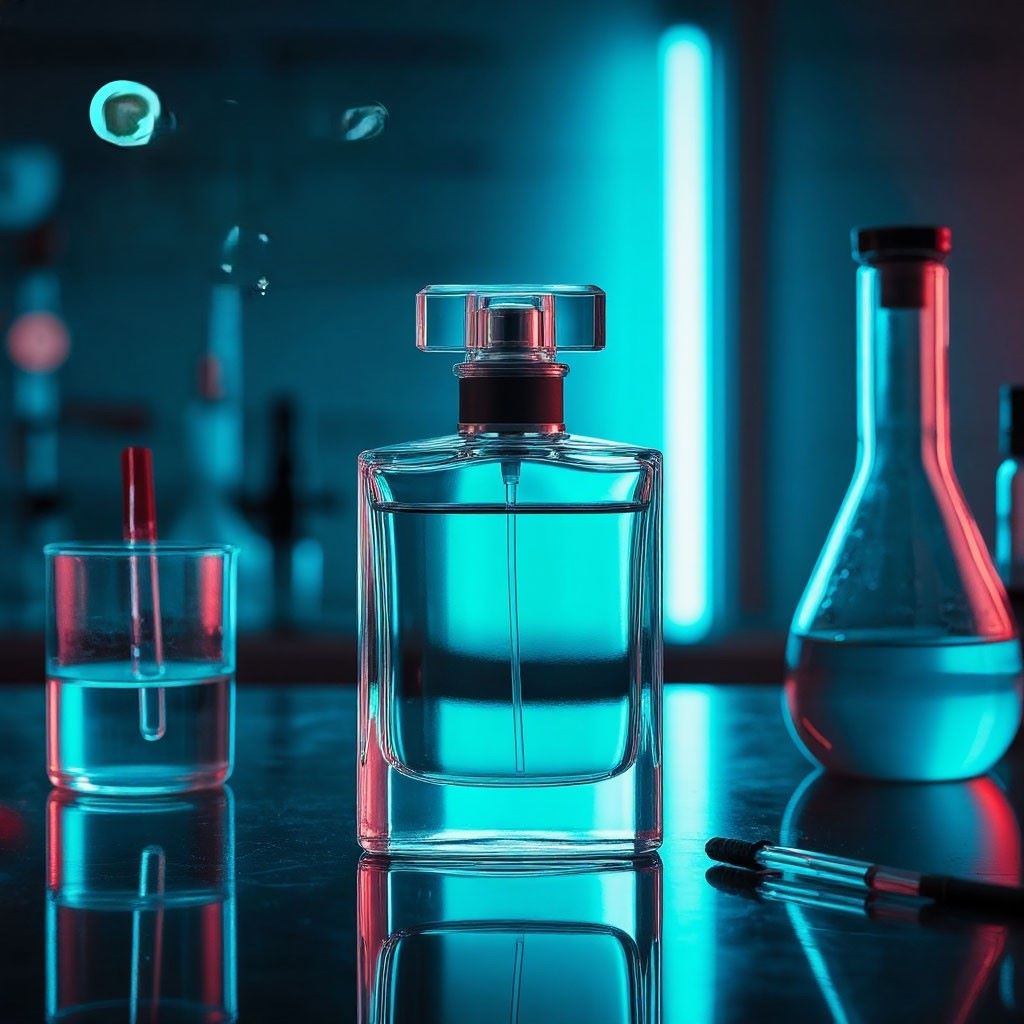
Yes, perfumes can be diluted, but only by professional methods. Homemade experiments with pharmacy alcohol or water often result in a cloudy bottle, allergies, or the death of the fragrance.
Below are proven techniques and strict prohibitions, supported by chemical laws and industry standards.
Why Dilution Is Not a Household Hack but a High-Tech Process
In the perfume industry (market volume — $60.26 billion in 2026, forecasted to reach $98.08 billion by 2035), dilution is a key stage of production. The concentrate of aromatic molecules is dissolved in a special alcohol, SD Alcohol 40-B, whose polarity and volatility are tailored to the specific fragrance pyramid.
«Adding water or pharmaceutical alcohol — like replacing reactive fuel with kerosene: it technically burns, but the engine will explode,» explains Elena Vorobyova, R&D technologist at MANE.
The resource intensity of the process is shocking: 4 tons of petals and 4000 liters of water are used to produce 1 liter of rose absolute, with a carbon footprint 22% higher than the average in cosmetics. A drop of perfume is the result of months of work by perfumers, chemists, and raw material collectors.
What CAN be used for dilution: IFRA-approved solvents
1. Cosmetic Alcohol SD Alcohol 40-B (denatured ethanol)
- Fortress: 95-96%
- Cleaning: triple rectification
- Why does it work: It evaporates at a rate of 0.3 ml/h, which coincides with the release of the top notes.
Practical example: when diluting Creed Aventus concentrate with SD Alcohol, the longevity remains over 8 hours; with pharmacy-grade alcohol, it drops to 2 hours.
2. Fractionated coconut oil (for oil-based perfumes)
- Acid number: < 0.1 mg KOH/g
- Why: zero odor, stable under UV radiation
Important: suitable ONLY for originally oil-based compositions. Mixing with alcohol-based perfumes causes separation.
What NOT to dilute with: data from dermatological studies
1. Water (bottled, distilled, tap)
- Risks: Reduction of alcohol concentration to below 70% promotes the growth of Pseudomonas aeruginosa (EFSA data, 2023).
- Result: cloudiness + risk of folliculitis
2. Medicinal alcohol (70-90%)
- Problem: Fusel oils (0.02-0.05%) distort the base notes.
- Experiment: Adding 10% pharmaceutical alcohol to Dior Sauvage reduced the projection by 60%.
3. Vegetable oils (olive, almond)
- Danger: The oxidation of linoleic acid produces C6-C10 aldehydes — triggers of contact dermatitis (EWG report, 2024).
- Effect: the aroma will become rancid after 72 hours
4. Cheap fragrances from AliExpress
- Analysis: 78% of the samples contained phthalates >0.1% whereas the IFRA standard is 0.01% (SGS testing, 2023).
Trends 2024: Why Gen Z Has Abandoned Home Dilution
Generation Z (45% of perfume buyers) has created a demand through PerfumeTok for:
- Clean-scent compositions with a transparent texture (30% increase in demand in 2023)
- Environmental friendliness: 1 bottle of Chanel No. 5 = 158 kg CO₂
- Mini sizes (10-30 ml) instead of diluting large vials
«Youth buy 3-4 variants of Eau de Toilette instead of diluting Parfum — it is safer and preserves the original artistic intent,» comments Mark Buik, a perfume analyst at NPD Group.
How to Dilute Correctly: Step-by-Step Instructions
Apply ONLY if the perfume is originally alcohol-based:
Scents in this story
Mentioned in the story · ULNAY encyclopedia data
 ChanelN 19 ParfumOpen in encyclopedia
 CreedAcqua Fiorentina
Acqua Fiorentina opens with the juicy contrast of apple and plum before bergamot, lemon and grapefruit bring a brighter citrus edge. Pear rounds the freshness, rose adds a delicate floral accent, and cedar with sandalwood gives the finish a smooth, gently warm character.
Open in encyclopedia CreedFantasia de Fleurs
Fantasia de Fleurs opens with the clear brightness of bergamot before rose takes the lead. Iris casts a poised, powdery shadow across the floral heart, while ambergris brings warmth and an animalic undertone to the base. The result balances cool definition with a more intimate depth.
Open in encyclopedia CreedAventus AbsoluOpen in encyclopedia
Share this story
Discussion
0 commentsComments use your ULNAY account.
Sign in to comment
It is quiet here. Start the conversation.