Maison Violet keeps its bottle—and gives the collection a larger role
A bottle rarely becomes news in its own right. For Maison Violet, however, choosing a lightweight refillable format has become a way to shape a new collection into a coherent statement.
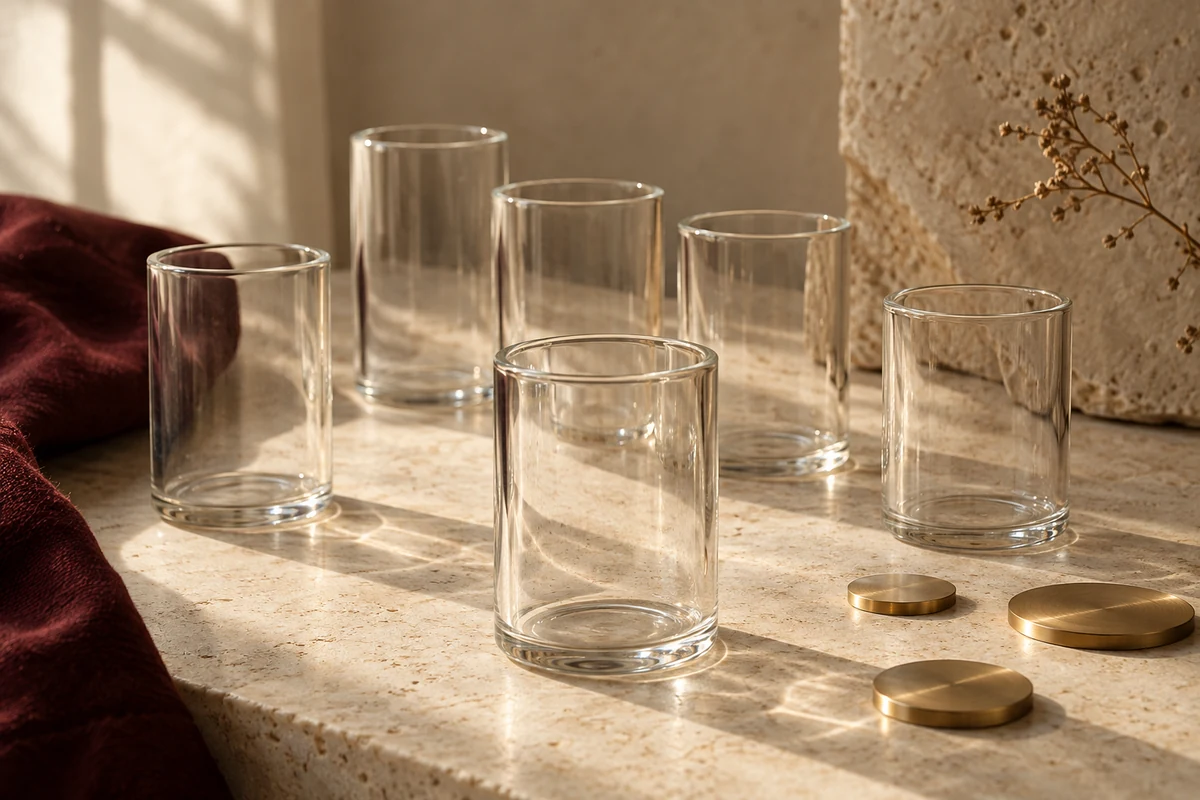
When a fragrance gains a sequel, the conversation usually turns to its notes, perfumer or name. French house Maison Violet invites attention to another layer of the release: six fragrances in its new collection arrive in the familiar lightweight ecoBottle.
Maison Violet is continuing its collaboration with Coverpla, the French specialist in primary packaging. This is not the house’s first joint project: the same format appeared in the earlier Cycle release. The cylindrical bottle with its softly rounded base now houses Un Air d’Apogée, Nuée Bleue, Compliment, Sketch, Tanagra and Pour Rêver.
Visually, the choice is restrained. Clear glass, a gold-toned Paros cap, a fine Precious spray pump and a laser-engraved logo do not compete for attention. Rather than creating a separate visual identity for each fragrance, Maison Violet is building a recognisable system: different compositions belong to the same house even before the first spray.
Why the bottle matters here
EcoBottle belongs to ecoLine, a range by Italian glassmaker Bormioli Luigi. According to the partners, the glass used in this construction is around 50% lighter than comparable conventional formats. What matters more to the owner is that the screw-neck design accommodates refills, while the packaging components can be separated for recycling.
In this case, lightness does not mean disposability. A niche fragrance often lives for years: it is repurchased, revisited with the seasons, or gifted after someone first encounters it in a sample. A refillable format makes the object itself feel less incidental; the bottle is intended not for a single impulsive choice, but for a place in a personal collection.
There is an aesthetic logic to this strategy, too. Founded in 1827 and revived in 2017, the house works with its heritage without turning it into a museum piece. Its packaging does not imitate an antique perfume object, but opts for a contemporary, almost neutral shape. The character of each composition is meant to emerge through its name, scent and personal experience—not elaborate decoration.
One format instead of six separate gestures
For a small fragrance house, a single bottle is not a rejection of individuality, but a form of discipline. It helps maintain a visual language across the collection, simplifies packaging work and leaves more room for the fragrances themselves to evolve. The lacquer colour and decoration can change: the Un Air d’Apogée Extrait edition, for instance, receives purple lacquer and hot stamping. Yet the underlying form remains recognisable.
The word “sustainable” is often used too broadly in perfumery, so it is more useful to look at specific features. Here, they are clear: lighter glass, refillability and a separable construction. These choices do not make buying a fragrance a flawless environmental gesture, but they do reduce the role of packaging as a one-time object.
For Maison Violet, this continues not only a collection, but also a way of speaking about itself. The house keeps the bottle as a constant frame and allows the fragrances to change within it. Sometimes a brand’s most visible move is not a new silhouette on the shelf, but the decision to stop changing it.

Share this story
Discussion
0 commentsComments use your ULNAY account.
Sign in to comment
It is quiet here. Start the conversation.