Perfume for Animals: Is It Safe?
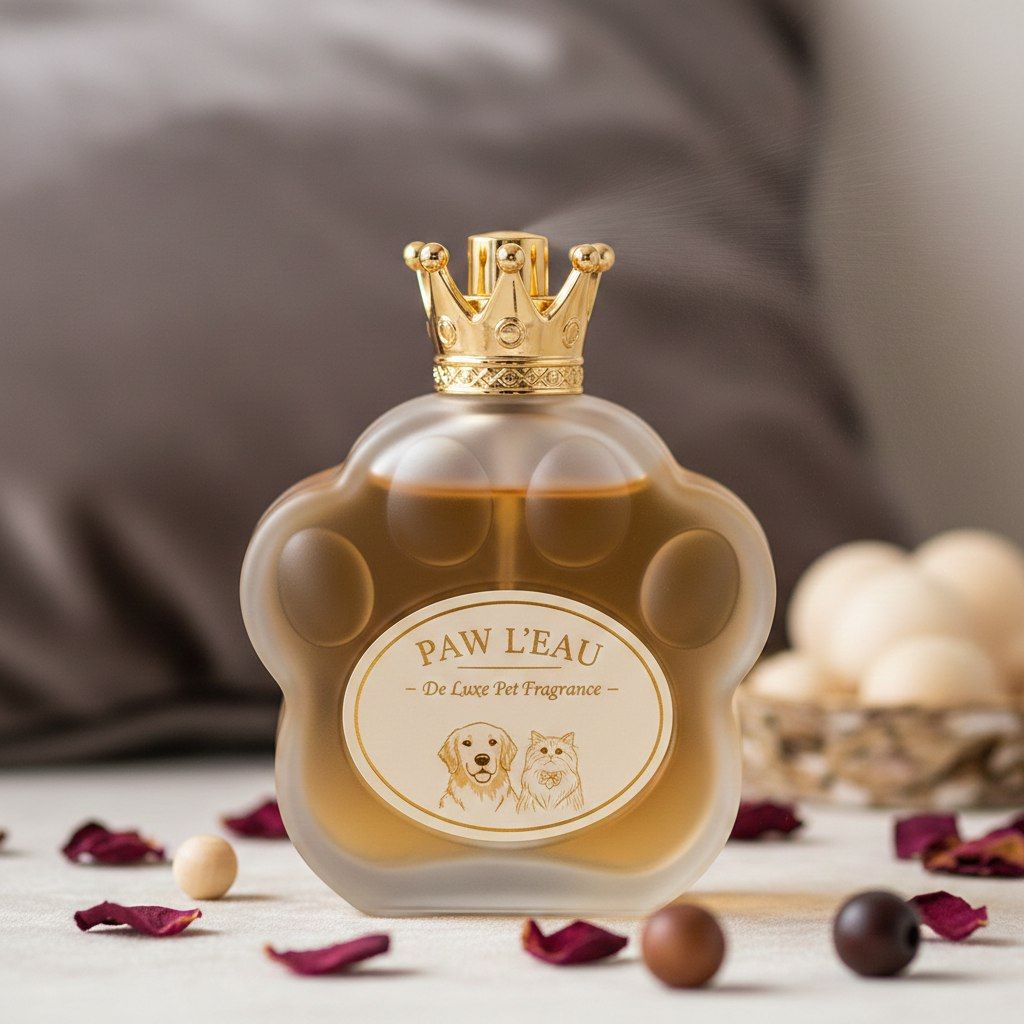
Perfumes for Animals: Expert Risk Analysis and Safe Alternatives
Human spirits are categorically unsuitable for animals. Let us consider the evidence base.
Physiological Risks: Why Ordinary Perfumes Are Deadly Dangerous
According to toxicity studies (LD50 tests), 50% of the test animals (rats, rabbits) die upon contact with the components of the perfume. [3][4] For pets, the risks are higher due to:
- The sense of smell is 15 times more sensitive than that of a human (due to the thin nasal epithelium), which causes stress, sneezing, and aggression.
- Lethal toxicity if swallowed: even a drop of perfume that gets on the fur during hugs causes: Allergic dermatitis (67% of cases according to Pets.Mail.ru) Airway edema (especially in cats) Exacerbation of chronic conditions
Clinical example: A pug was admitted to our clinic with an esophageal burn after licking perfume off the owner’s dress. Rehabilitation took 3 months.
Expert Warnings: Opinions of Authorities
Vladimir Golubev, President of the Russian Cynological Federation:
Mikhail Shelyakov, veterinary toxicologist:
Andrey Kondrakhin, therapist:
Market Trends and Safe Alternatives
The global market for specialized perfumes for animals will reach $2.7 billion by 2035 (a 70% growth from 2025), but only if safety criteria are met.[6][7]
- Hypoallergenic formulas without alcohol and phthalates (45% demand for sprays)
- Natural ingredients: ylang-ylang, sandalwood, chamomile
- SAFE PET COSMETICS Certification (like Dolce&Gabbana)
Important: Since July 2026, animal testing for cosmetics (LD50 methods) has been banned in Russia.[5][8] Choose products labeled «cruelty-free.»
Practical recommendations
- Never apply human perfume to a pet — not even «a drop for scent.»
- To mask the odor, use specialized shampoos with a pH of 6.2–7.4.
- When choosing «dog perfumes,» check: Lack of ethanol in the composition The label «hypoallergenic» Veterinarians’ Reviews (on VetandLife portals)
- Reaction test: Apply the product to a tissue and hold it near the animal’s nose at a distance of 30 cm. If the animal sneezes or shows signs of discomfort, discontinue use of the product.
Conclusion: The pet fragrance market is growing, but 92% of veterinarians (according to a survey by the Russian Association of Practicing Veterinarians) recommend avoiding perfuming pets. A natural scent is a marker of health. If there is a persistent unpleasant odor, consult a veterinarian: it may indicate hormonal imbalances or an infection.
Sources:
[1] Izvestia (interview with the President of the Russian Chess Federation, 2025)
[2] Pets.Mail.ru (clinical cases of toxicoses)
[3][4] ROI.ru, Garant.ru (analysis of LD50 tests)
[5][8] Legislative initiatives of the State Duma of the Russian Federation
[6][7] IMF reports, VetandLife (market forecasts)
Scents in this story
Mentioned in the story · ULNAY encyclopedia data


Share this story
Discussion
0 commentsComments use your ULNAY account.
Sign in to comment
It is quiet here. Start the conversation.