Recycled Zamak Rewrites the Rules for Luxury Fragrance Bottles
A weighty metal detail on a bottle has long signalled luxury. Now it must also answer questions about where the material came from and what happens to it once the bottle is used.
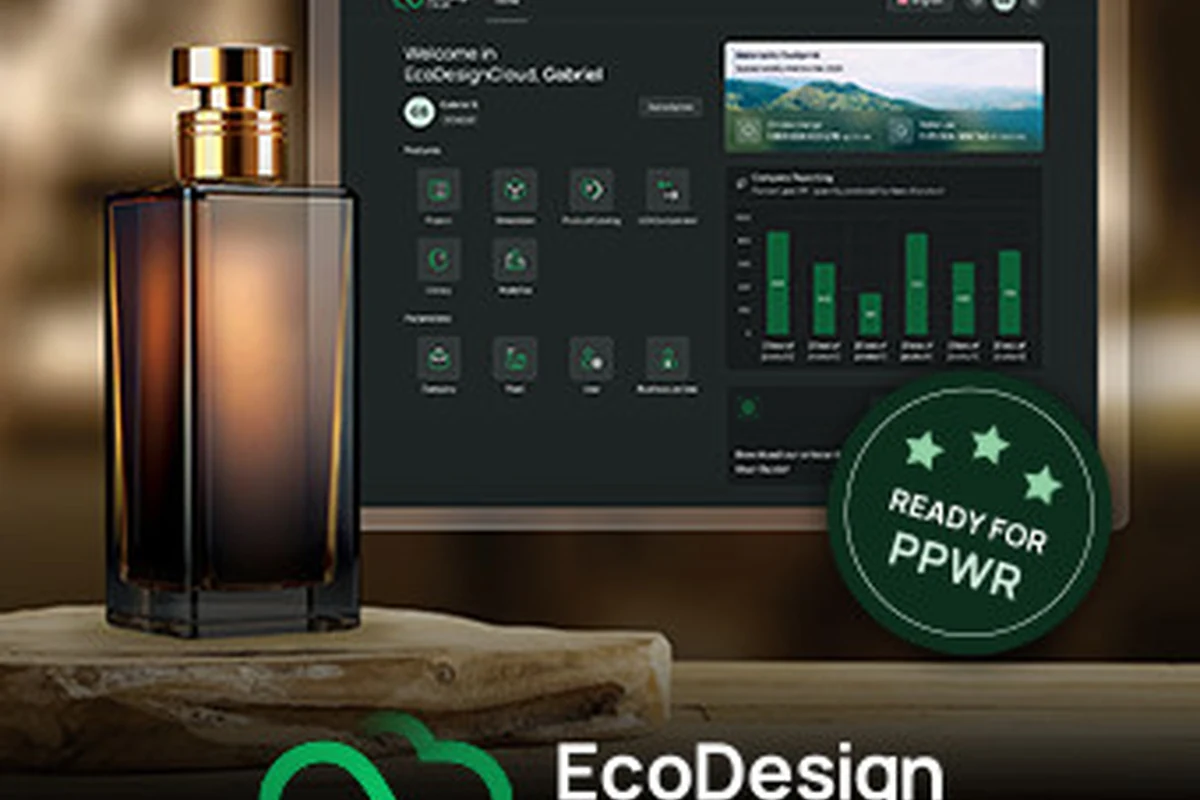
A heavy cap has its own language: it gives a bottle weight, coolness in the hand and the sense of an object worth keeping. But for European fragrance packaging, that is no longer enough; its journey after purchase is now part of the equation.
A regulation without a separate quota for zamak
Since 12 August 2026, the EU Packaging and Packaging Waste Regulation (PPWR) has applied across the European Union. It covers packaging made from all materials and sets a course towards recyclability; from 2030, packaging must meet the established recyclability performance grades.
PPWR does not, however, set a separate mandatory recycled-content share specifically for zamak: the regulation’s quantitative requirements apply directly to plastic packaging components. Its effect on metal details is different. Brands and suppliers must show in advance that a chosen design fits the logic of recycling, and that environmental claims precisely identify which part of the packaging they describe.
Why zamak is the material in question
Zamak is valued in luxury perfumery for its strength, satisfying weight and ease of shaping. That makes it suited to prominent decorative elements, where a material must withstand production while looking flawless.
According to Premium Beauty News, the recycled-zamak sector is expanding its production capacity and moving beyond isolated experiments. The central question is no longer whether the metal can be returned to the loop, but whether secondary material can meet premium-packaging requirements consistently from batch to batch.
What must be proven in practice
For serial production, manufacturers must keep several parameters in balance: a predictable alloy, reliable behaviour during casting, precision in complex forms and surface quality after finishing. A bottle also depends on visual uniformity and tactile appeal: a small flaw in a cap or decorative fitting is noticed more quickly than one in a hidden technical component.
Traceability is a separate task. The phrase ‘made from recycled material’ must not become a vague mood around a product. PPWR requires environmental claims about packaging properties that go beyond the mandatory minimum to clarify whether they apply to the whole package, part of it or a specific component.
This is where the line lies between an attractive initiative and a viable material. Recycled zamak must give designers familiar freedom, suppliers repeatable results and brands a documented basis for what they say.
What will change for the buyer
Few people are likely to choose a fragrance solely because of the composition of its metal cap. Yet the origin of a bottle’s decorative parts is gradually becoming a verifiable characteristic rather than a vague sign of ‘more sustainable’ luxury.
A harmonised EU label for packaging composition is not expected before August 2028, provided the necessary rules for its application are in force by then. Until that point, the shift to recycled zamak will remain chiefly work within the supply chain. But that is precisely where it is being decided whether a weighty bottle can retain its character while becoming easier to understand within the recycling system of the future.

Share this story
Discussion
0 commentsComments use your ULNAY account.
Sign in to comment
It is quiet here. Start the conversation.