Six Clues to Understand Why a Favourite Fragrance Brings On a Headache
There is no need to remove a favourite perfume from the shelf at once. First, separate a reaction to the scent itself from the circumstances in which it occurred.
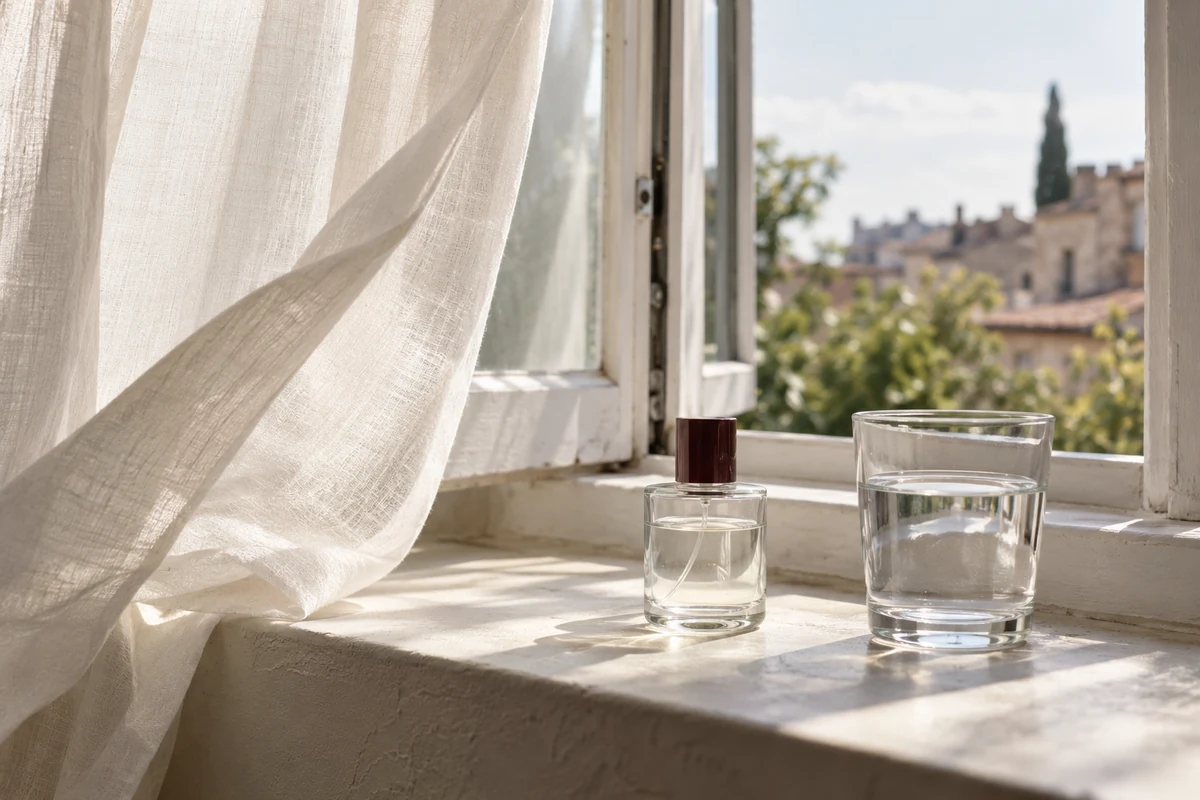
A fragrance smells wonderful in the shop, yet twenty minutes later on the metro your head feels heavy. The urge to rule out the bottle immediately is understandable, though the dose, proximity, stuffy air, surrounding smells, lack of sleep and a tendency to migraine may all have played a part.
First, stop exposure and move into fresh air or a space without noticeable smells. Do not try to mask the perfume with a scented wipe, candle or another product: extra scents will only make the picture harder to read.
Headaches and allergies call for different approaches
The word “allergy” is often used for any unpleasant reaction to perfume. Yet a strong smell can trigger a migraine or intensify an attack that is already beginning. Sometimes sensitivity to smells is itself an early symptom of an attack and says nothing about the harm of a particular molecule.
A skin reaction looks different: itching, redness, flaking, weeping or a rash where the product touched the skin. A dermatologist may prescribe patch tests to identify a contact allergen. Such a test does not determine the cause of a headache or identify a universally safe perfume.
Coughing, wheezing, shortness of breath or chest tightness are reasons to stop experimenting. Strong smells can provoke symptoms in people with asthma and other respiratory conditions, so it is best to agree on next steps with a doctor.
Six observations instead of a list of suspect notes
After each episode, leave yourself a few lines in your phone. Note:
- the time of application and the moment you began to feel unwell;
- the product’s name and how it was applied — one spray on clothing, several on skin, or a mist sprayed into the air;
- the setting — outdoors, in a car, or in an office with closed windows;
- other nearby smells — fabric conditioner, hairspray, an air freshener, smoke or cleaning products;
- the nature of the symptoms — pain, nausea, light sensitivity, a blocked nose, a skin reaction or breathing difficulties;
- the day’s circumstances — sleep quality, a missed meal, stress or the onset of a cold.
A diary will not make a diagnosis, but it can reveal a pattern. Perhaps the problem follows three sprays in a closed lift, while one spray of the same fragrance during the day causes no trouble. It can also happen that a scent becomes unbearable only when a headache is already starting.
Compare scenarios, not note names
Perfume notes are an artistic language, not a list of substances with their concentrations. The words “bergamot”, “musk” or “amber” on a fragrance page cannot identify an irritant. Besides, perfumers can create a similar impression with different materials.
If symptoms appear only after a generous application, reduce the amount and do not spray perfume in an enclosed space. If the reaction occurs mainly indoors, check the ventilation and nearby sources of scent. When candles, air fresheners and cleaning products also cause trouble, it is more useful to watch the overall scent load than to blame a single bottle.
Do not stage several exposure tests in one day or reapply a fragrance immediately after a pronounced episode. If you feel well and previous symptoms were mild, change one condition at a time, such as the amount used or where you apply it. After a rash, shortness of breath, wheezing or severe pain, do not resume exposure without consulting a doctor.
Bring fragrance back with a lighter touch
Once the pattern becomes clearer, you may not need to give up your collection altogether. One person may do better with a single spray under clothing rather than several on the neck; another may benefit from fragrance-free days. Reducing the number of scented products used on the body and at home can also prevent smells from layering up.
In a small office or car, the distance at which a fragrance can be smelled matters especially. Its longevity matters less here than the intensity around the wearer.
Labels such as “hypoallergenic”, “natural” and “fragrance-free” do not guarantee the absence of an individual reaction. If you need to minimise the number of fragrance ingredients, check the composition of each product, and discuss persistent skin or respiratory symptoms with a specialist.
When urgent care is needed
A new or unusually severe headache needs medical assessment. Seek urgent help for a sudden “worst headache of your life”, a headache after a head injury, a high fever with neck stiffness, or problems with speech or vision, weakness or numbness. Notes about smells may be useful to a doctor, but they should not delay seeking care.
Ultimately, what matters is finding your own threshold rather than a culprit note. A diary can show how much scent, in which setting and in what state of health remains a pleasure — and when it is better to give a favourite fragrance a pause.
Scents in this story
Mentioned in the story · ULNAY encyclopedia data
 FreshCannabis Santal
Cannabis Santal begins with ripe plum lit by bergamot and orange. Patchouli and cannabis then introduce an aromatic, earthy green tension, with rose set quietly within the heart. Dark chocolate, vanilla, vetiver and musk deepen the composition into something warm, woody and softly sweet, giving the fragrance a distinctive masculine character.
Open in encyclopedia BenefitRing My Bella
ringmybella opens in a clear floral sweep of lily, rose and daisy. Peony and jasmine expand the bouquet without disturbing its fresh, open character, while musk and vanilla soften its edges. Patchouli gives the base a quieter sense of depth, leaving the flowers bright yet gently grounded.
Open in encyclopedia BenefitSo Hooked on Carmella
Rhubarb, lemon and grapefruit bring a brisk, tart opening before tiare flower, cyclamen and peony soften the edges. Vanilla and amber lend sweetness and powdery warmth, while sandalwood gives the drydown a smooth woody line. The result balances brightness with comfort without losing its sense of air.
Open in encyclopedia BenefitLaugh with me Lee Lee
A cool rush of melon and citrus is sharpened by the green nuance of currant leaf and bud. Lily and jasmine bring an airy white-floral presence, with violet adding a softer floral shade. Sandalwood, woody notes and amber lend calm depth without obscuring the fragrance's fresh, lucid character.
Open in encyclopedia
Share this story
Discussion
0 commentsComments use your ULNAY account.
Sign in to comment
It is quiet here. Start the conversation.