A Prize on the Bottle: What Fragrance Awards in 2026 Really Tell Us
A gold sticker on a box may signal customer affection, an industry decision, or the verdict of a jury that never saw the brand name. These are three different reasons to notice a fragrance—and none overrides your own choice.
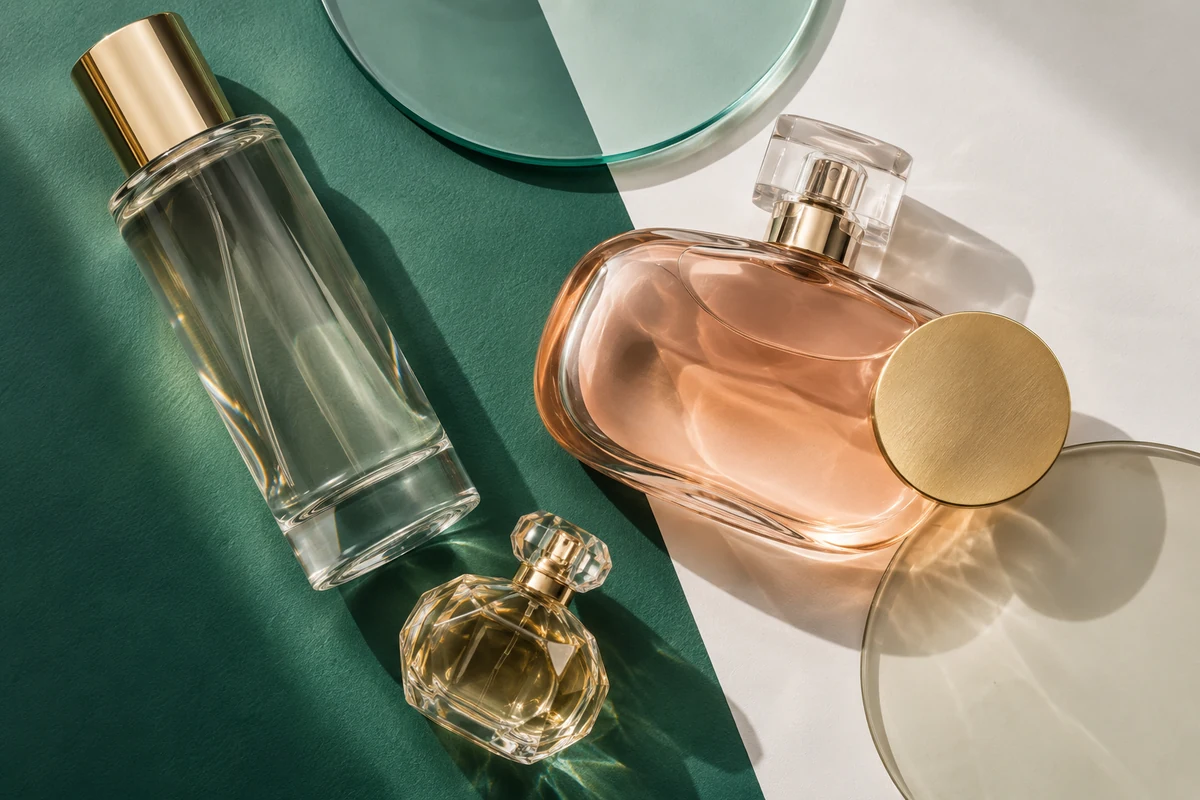
In perfumery, the word ‘winner’ sounds persuasive, yet without the name of the award and its category, it explains very little. Some competitions recognise a commercially significant launch; others celebrate the boldness of an independent creator; still others reward a bottle, campaign, or customer opinion. An award is therefore not a ready-made answer to the question ‘Will this fragrance suit me?’, but a clue about where to look.
Read the small print behind a major prize first
The American Fragrance Foundation Awards distributed their 2026 prizes according to several different logics. Their categories include Fragrance of the Year across price and market segments, Consumer Choice, packaging, innovative product, media campaign, and Perfume Extraordinaire. Valentino Beauty Born in Roma Donna Extradose, for instance, won in the women’s luxury category and in the Consumer Choice vote for luxury and prestige, while Yves Saint Laurent Le Vestiaire des Parfums Muse was named Perfume Extraordinaire. These are not interchangeable titles: the first reflects an outcome within a segment, while the second is a special form of professional recognition.
The organisation itself identifies three voting models: members of The Fragrance Foundation, a specialist expert panel, or consumers in Consumer Choice. Companies meeting a category’s requirements may enter regardless of membership. It makes more sense, then, to view these awards as a snapshot of the American fragrance industry and market—not a blind ranking of the world’s ‘best scents’.
When the name on the bottle is concealed
The Art and Olfaction Awards take a different view. The awards focus on independent, artisanal, and experimental perfumery; entries in the main categories are assessed blind by an international panel over several rounds. This makes the results especially useful when seeking creators who are hard to find in large retail chains: brand recognition and box design should not shape the judges’ first impression.
In 2026, the independent-category winners were Ici, le pas s’arrête by TERRA•T and Nuit Elastique by Première Peau; the artisan-category winners were Aethi by Opum Maya Njie and Death by Vanity by Rivendare. Read these names not as an order to buy a bottle at once, but as a short route into unusual styles and new perfumery languages. Blind assessment reduces the influence of the brand, but it does not turn taste into a mathematical quantity: scent still lives in personal memory, habits, and context.
An expert, a buyer, and a customer answer different questions
The British Fragrance Foundation makes the distinction particularly clear. In 2026, the Ultimate Launch category was judged by fragrance and beauty-retail buyers, while Perfume Extraordinaire was judged by invited fragrance experts. In the first case, a launch’s potential and place in the market matter; in the second, the professional perception of the composition itself does. Even a very strong fragrance may not be a universal retail hit, while a popular launch need not be the year’s most radical artistic statement.
A consumer award adds another useful signal: a fragrance’s ability to win over a broad audience. Yet availability in stores, brand recognition, price, and campaign scale all affect it. This kind of accolade is helpful for someone seeking an accessible contemporary composition, but it does not measure the rarity of materials, the complexity of construction, or how closely a scent matches one’s own taste.
How to use a winners’ list without false assumptions
Start with the category. ‘Packaging of the Year’ may promise exceptional object design rather than an exceptional scent; ‘Consumer Choice’ indicates audience approval, not a critics’ consensus. Then look at the finalists alongside the winner: a shortlist is often more useful than one name, as it offers several closely related directions to explore.
Next, match the award’s criterion to your own aim. If you want to discover the independent scene, seek out blind-assessed competitions such as Art and Olfaction. If you are interested in what has made an impact in mainstream perfumery, look at The Fragrance Foundation results in the relevant segment. If you need a gift that is not too much of a risk, a consumer vote may be more relevant than an award for experimentation.
Only then should you move on to testing. An award cannot tell you how a composition will feel to you, whether its density will be comfortable, or whether you will want to return to it. Give the fragrance time on a blotter and, where possible, get to know it in a sample before buying. A winner is a good reason to meet a scent, not a substitute for that meeting.
What makes fragrance awards in 2026 compelling is precisely their lack of agreement. Where one system sees a successful launch, another notices an independent gesture, and a third recognises the customers’ choice. By reading not only the winner’s name but also the method of selection, you can turn a medal on a box from a marketing gesture into a genuinely useful guide.

Share this story
Discussion
0 commentsComments use your ULNAY account.
Sign in to comment
It is quiet here. Start the conversation.